Resetting the Training Year
How to use the new year as a chance to refine habits, not chase motivation.
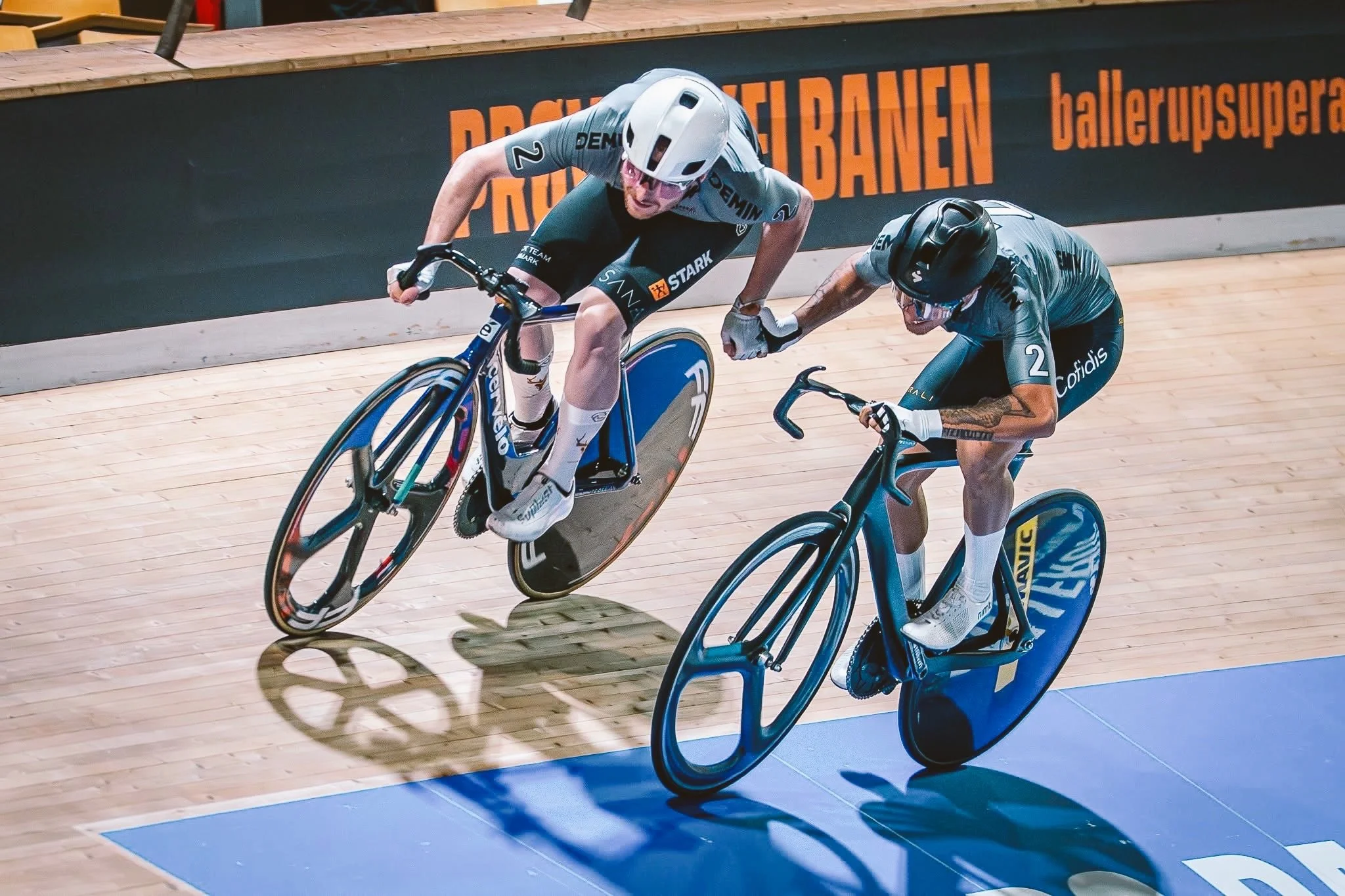
Photo by Jesper Skovbølle
Resetting the Training Year
“New year, new me”, a cliché that resurfaces every January, usually paired with big promises and short-lived motivation. For many, it’s a moment of optimism, but also of pressure, the belief that dramatic change is required to make the year count.
However, the start of a new year doesn’t have to be about chasing fleeting motivation. Natural breaks in rhythm, a fresh calendar, the end of a season, or even a quiet winter week, are opportunities to pause, reflect, and implement smarter habits. Small adjustments, repeated consistently, often yield bigger results than occasional bursts of effort or radical overhauls.
As James Clear writes in Atomic Habits, “Success is the product of daily habits, not once-in-a-lifetime transformations.” In cycling, training, and performance, this couldn’t be more true, progress rarely comes from dramatic leaps. It is built quietly, through consistent actions performed day after day, session after session.
A new year is less about “reinventing yourself” and more about refining the system you already have reviewing what’s worked, identifying friction points, and making small, intentional improvements that compound over time. It’s a chance to reset the training year not through sheer willpower, but through smarter, sustainable routines, ones that keep motivation steady, rather than burning it out after a few weeks.
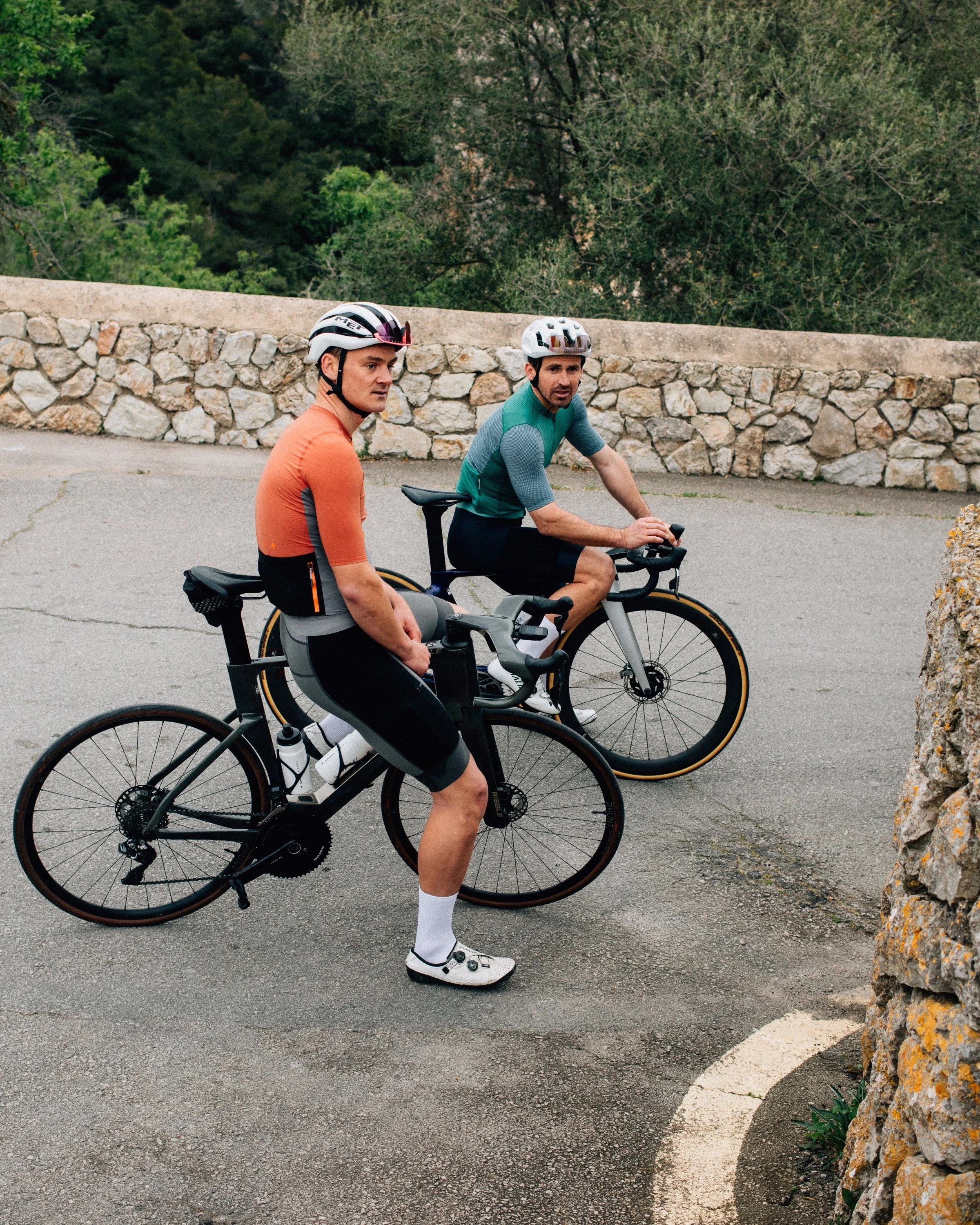
Actionable Changes to Training, Recovery & Life Balance
Rather than overhauling everything at once, meaningful improvement comes from identifying a small number of habits that support performance across training, recovery, and life outside of sport. These aren’t dramatic changes, but simple actions that, when repeated consistently, create stability, clarity, and long-term progress.
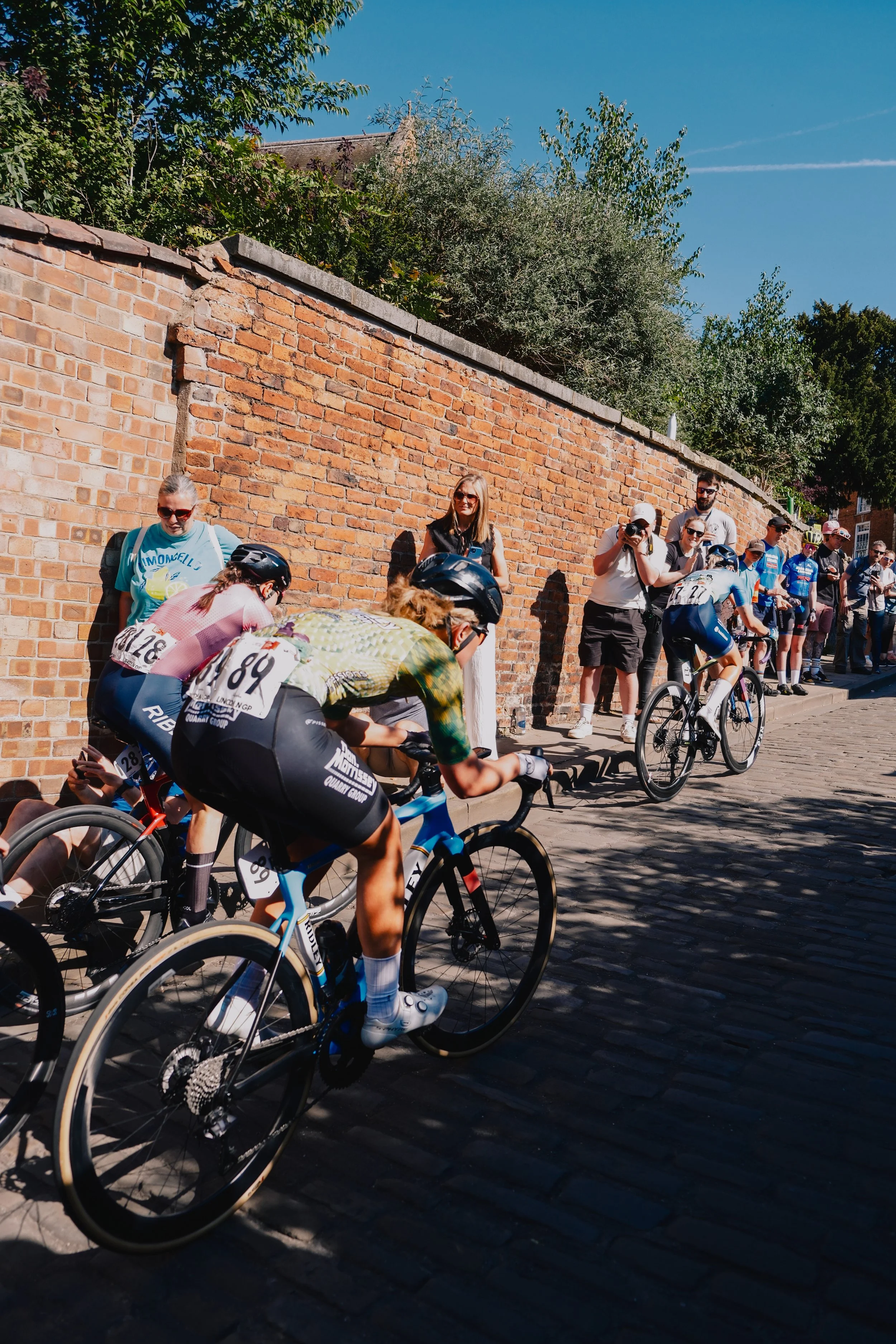
1. Training
Training consistently doesn’t mean pushing harder every session - it means being intentional with every ride. Focus on small, repeatable adjustments:
Prioritise key sessions: Identify 1–2 sessions per week that are most important for your goals and protect them above all else.
Consistency over volume: Rather than cramming in every workout, aim for regular, sustainable training that fits into your weekly rhythm.
Refine technique and pacing: Even small tweaks, better cadence, smoother cornering, or structured intervals, compound over time.
The goal is to build habits that make training predictable and purposeful, rather than overwhelming or sporadic.
2. Recovery
Recovery is as important as the ride itself. Small, deliberate habits can dramatically improve adaptation and reduce fatigue:
Sleep and routine: Prioritise consistent bed and wake times. Even small improvements in sleep quality have outsized effects on performance.
Active recovery: Short, easy spins or mobility work after hard sessions help circulation and reduce perceived muscle stiffness.
Nutrition habits: Simple changes, like timing protein and carb intake after sessions or keeping hydrated on the trainer, create reliable recovery patterns without overcomplicating diet.
By treating recovery as part of training, not optional, you can maintain higher quality sessions, avoid burnout, and stay healthy over the long term.
3. Life Balance
Performance doesn’t exist in isolation - life outside cycling influences every ride. Building simple, supportive habits here is key:
Time management: Plan your week realistically around work, family, and social commitments to avoid stress and last-minute compromises.
Micro-breaks and mental reset: Even 10–15 minutes of walking, reading, or meditation daily can improve focus and resilience.
Enjoyment first: Remember why you ride. Structured training matters but keeping the joy in cycling ensures long-term adherence.
Small, consistent habits in life outside of sport create mental clarity, reduce stress, and allow athletes to train with purpose rather than pressure.
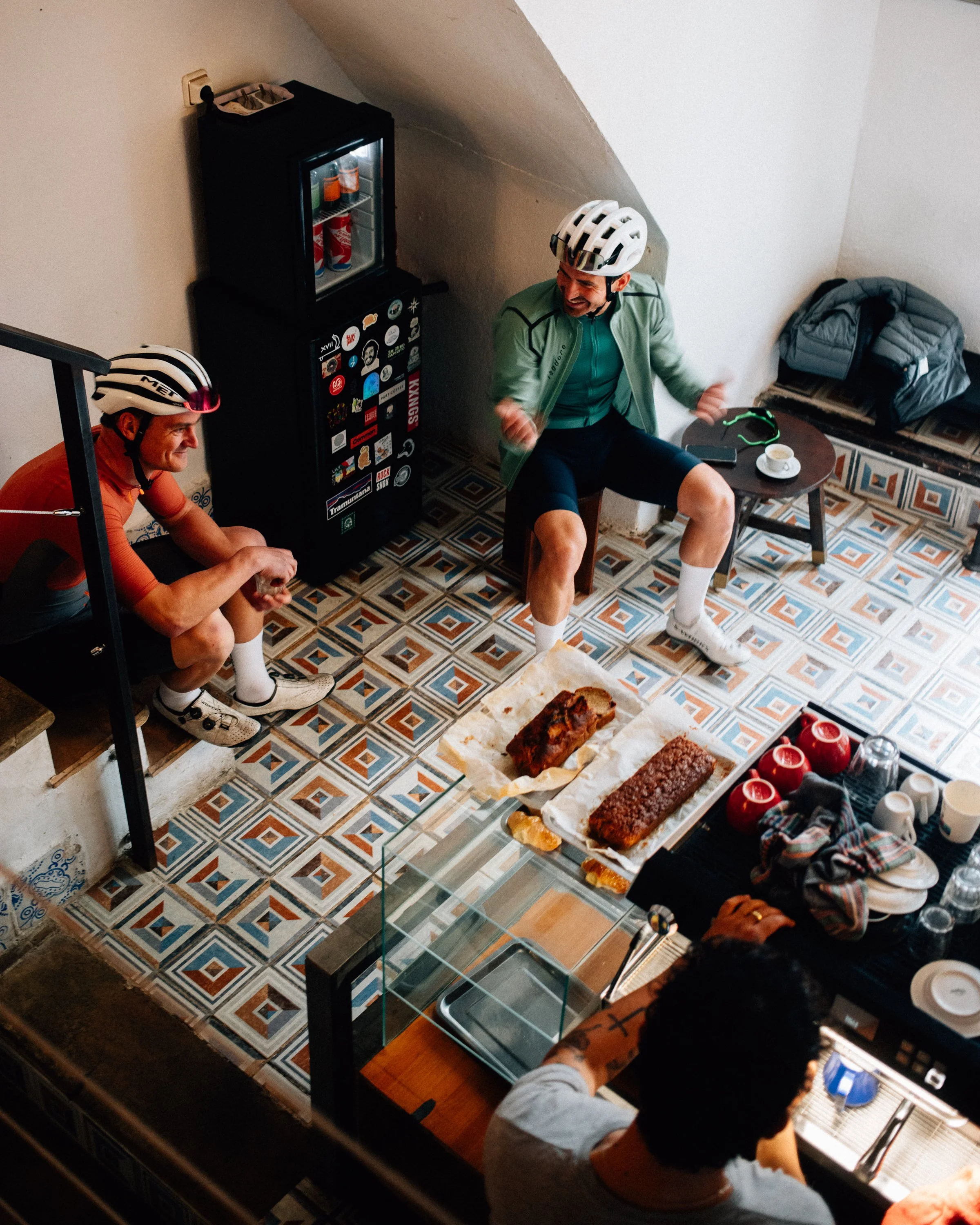
Bottom line
Meaningful improvement doesn’t require a dramatic reset. By choosing a few habits in training, recovery, and life, and repeating them consistently, you create a stable foundation for performance that grows stronger year after year.
The start of a new year is simply a checkpoint. A chance to step back, strip things down, and ask whether your current approach is actually serving you. Often, progress comes not from doing more, but from doing fewer things better, with greater intent and consistency.
If training has started to feel noisy, overwhelming, or disconnected from why you ride in the first place, that’s usually a sign that something needs refining, not replacing. Clarity restores confidence, and confidence is what allows good work to compound over time.
And sometimes, that reset is easier with an outside perspective, someone to help simplify the process, focus on what truly matters, and build a plan that fits your life as much as your goals. If that resonates, this is the time to start the conversation.